Alright, let's talk sheds. I get a lot of calls from folks in Des Plaines asking about insulating their sheds, and it's usually for one of a few reasons: maybe they want a workshop, or a better storage space, or just a more comfortable spot for hobbies. It makes perfect sense, especially with our winters here, and those humid summers can be brutal too. But there's a lot of confusion out there, so I've put together answers to the most common questions I hear. This isn't marketing fluff, by the way; it's just what I tell my neighbors.
Do I really need to insulate my shed?
Look, "need" is a strong word, but for most people, the answer is yes, you really should consider it. If your shed is just for storing a lawnmower and some shovels, maybe not. But if you're spending any real time in there – working on projects, storing sensitive items, or even just using it as overflow for things that don't like extreme temperatures – then insulation changes everything. It keeps the heat out in July when it's 90 degrees and muggy, and it holds the heat in when it's freezing in January. Plus, it helps control humidity, which is a big deal for preventing mold and protecting your tools from rust. Who wants rusty tools?
What's the best type of insulation for a shed?
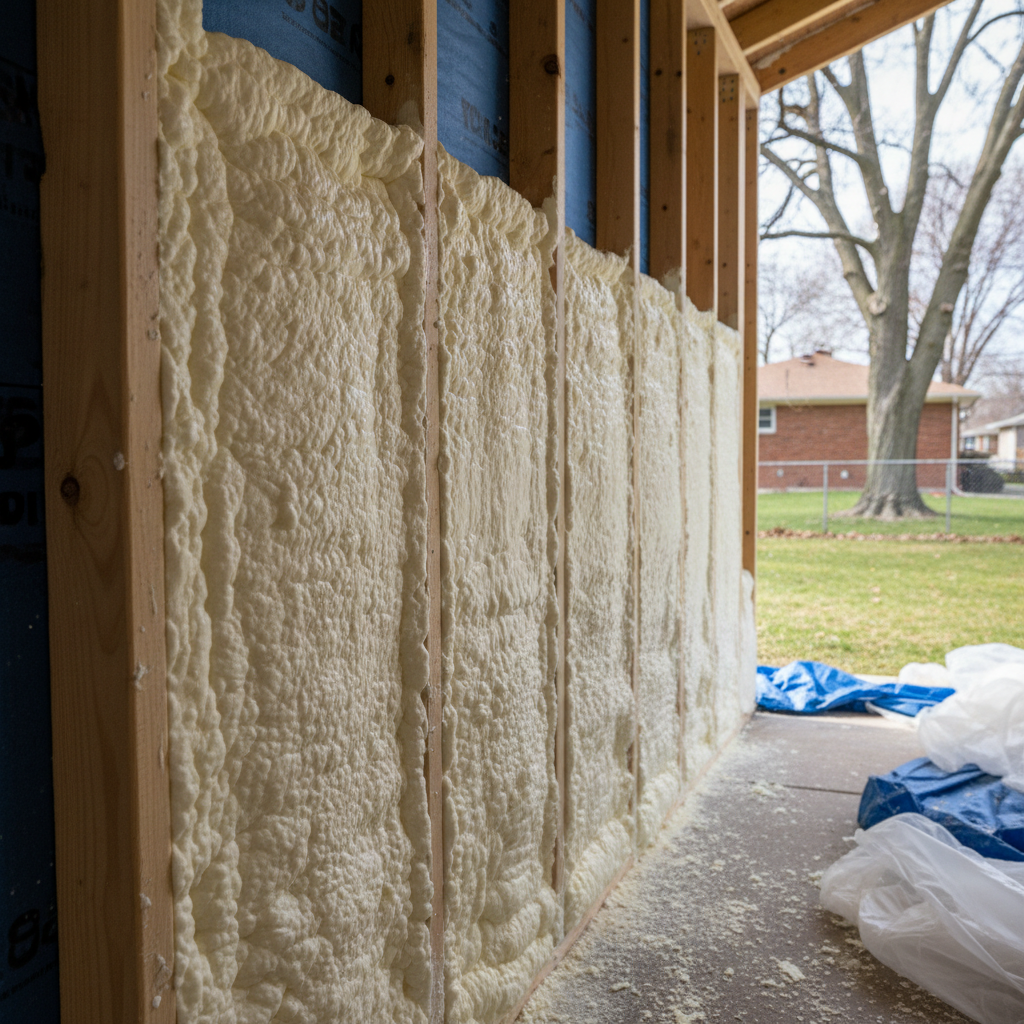
There isn't a single "best" type, honestly. It really depends on what you're trying to achieve and your budget. For most sheds, you've got a few solid options. Fiberglass batts are common, especially if your shed has standard stud framing. They're affordable and pretty easy to install yourself if you're handy. Just make sure to get the right R-value and use a vapor barrier. Then there's rigid foam board, like XPS or polyiso. This stuff is great because it offers a higher R-value per inch, it resists moisture, and it's easy to cut and fit. You can glue or screw it right to the studs. For a really tight seal and excellent performance, spray foam is king, but it's usually a job for pros like us at Guardian Insulation, and it's a bigger investment. It fills every crack and crevice, creating an air seal that's hard to beat. I've seen some folks try blown-in cellulose, but frankly, it's often overkill for a shed and can settle over time if not installed perfectly.
Do I need a vapor barrier in my shed?
Absolutely, yes, you do. This is one of those things people often skip, and they regret it later. Des Plaines gets some pretty wild temperature swings, and that means condensation. A vapor barrier, usually a sheet of polyethylene plastic, goes on the warm side of your insulation. In winter, that's the inside of your shed, preventing warm, moist air from getting into the insulation and condensing. In summer, it helps prevent outside humidity from getting in. Without it, you're inviting moisture problems, which can lead to mold, rot, and ruined insulation. Don't skip it; it's cheap insurance.
How much insulation (R-value) do I need for my shed?
This isn't your house, so you don't necessarily need the same R-values. For most sheds, especially if you're just looking for comfort and some temperature moderation, an R-value of R-13 to R-19 in the walls and R-19 to R-30 in the ceiling is usually enough. If you're building a dedicated four-season workshop where you'll be running a heater or AC constantly, you might want to push those numbers higher, closer to what you'd put in a garage or even a small addition. But for a typical storage or hobby shed, you don't need to go crazy. It's about balancing cost with performance.
Can I insulate an existing shed, or does it need to be built for insulation?
You can definitely insulate an existing shed, but it's usually easier if it was built with standard framing (like 2x4s or 2x6s) that creates cavities for insulation. If your shed is just single-wall construction, like a metal or thin-plywood shed, it's a bit more work. You'll likely need to frame out interior walls to create those cavities, or you could go with rigid foam board directly attached to the interior surfaces, then cover it with plywood or OSB. It's more labor-intensive than insulating during construction, but it's certainly doable. Just be prepared for the extra steps.
What about insulating the shed floor?
Don't forget the floor! A lot of heat can escape or enter through the floor, especially if your shed is sitting on concrete blocks or a slab directly on the ground. If your shed has a wooden floor raised off the ground, you can insulate between the joists with rigid foam board or even fiberglass batts, making sure to use a vapor barrier underneath to protect against ground moisture. If it's a concrete slab, you'll need to insulate on top of the slab before putting down your finished flooring, usually with rigid foam. This isn't just about comfort; it helps protect anything you're storing from ground moisture and temperature fluctuations. We see a lot of older sheds in areas like the Miner Street neighborhood that are just sitting on bare ground or thin slabs, and those are prime candidates for floor insulation.
Should I insulate the shed door and windows?
Yes, absolutely. You can put all the insulation you want in the walls and ceiling, but if your door and windows are letting all the air in and out, you're wasting your money. For doors, you can often add rigid foam insulation to the inside, covering it with a thin panel for a finished look. Weatherstripping around the door frame is crucial to seal up those gaps. For windows, if they're single-pane, consider replacing them with double-pane windows if your budget allows. If not, you can add storm windows or even just use heavy curtains to help. Sealing around the window frames with caulk or expanding foam is also a must. It's all about creating a tight envelope, just like your house.
Insulating your shed is a smart move for a lot of reasons. It'll make your space more useful, protect your belongings, and generally make life a bit more comfortable. If you've got more questions or want a hand getting your Des Plaines shed insulated right, you know who to call.