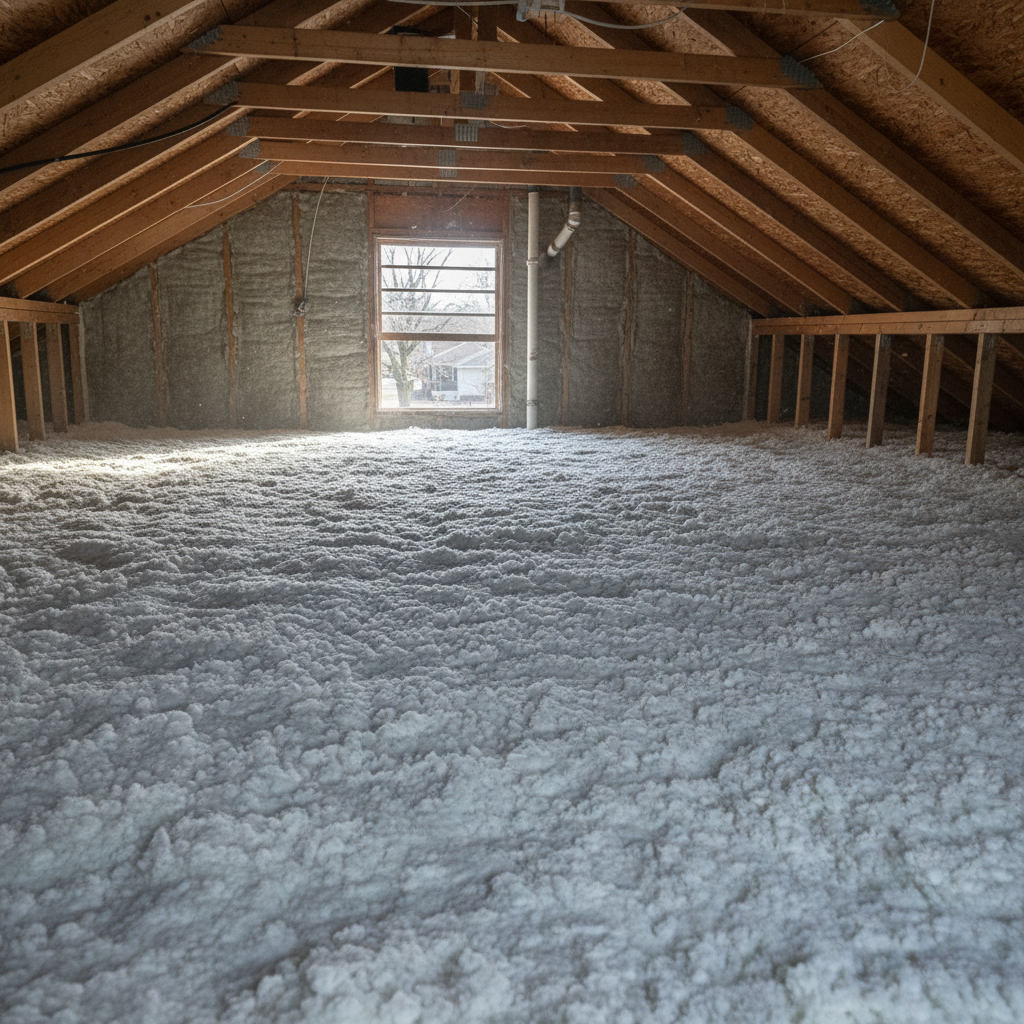
You've put money into blown-in insulation, maybe for your attic, walls, or crawl space. That's a smart move, especially with our wild Des Plaines weather – those deep freezes in winter and sweltering, humid summers really test your home's thermal envelope. But just because you can't see it doesn't mean you should forget about it. A little proactive care goes a long way to make sure your insulation keeps doing its job for decades.
Making Your Blown-In Insulation Last Longer
The good news? Blown-in insulation, whether it's cellulose or fiberglass, is pretty tough. You won't need to be up in your attic every other week, thankfully. The most important thing you can do to extend its life is to protect it from its enemies: moisture, pests, and disturbance.
Keep it Dry: This is probably the most crucial step. Water is insulation's worst nightmare, plain and simple. If blown-in insulation gets wet and stays wet, it compacts, loses its R-value, and can become a breeding ground for mold. So, make sure your roof is in good shape – no leaks, missing shingles, or compromised flashing around vents or chimneys. Check your gutters regularly, especially after heavy rains or snowmelt, to ensure they're directing water away from your foundation and not backing up onto your roofline. Here in Des Plaines, we get plenty of freeze-thaw cycles, which can really stress roofing materials, so a yearly inspection is a smart move, don't you think?
Pest Control: Rodents, birds, and insects just love a cozy, undisturbed attic or wall cavity. They can tunnel through insulation, creating pathways for air leaks and compacting the material. Seal up any entry points you find around your home's exterior – small gaps, cracks, or unsealed vents. If you suspect a pest problem, deal with it quickly. You really don't want critters making a home in your insulation.
Mind Your Attic Traffic: If your blown-in insulation is in the attic, try to walk on it as little as possible. Every step compacts the material, which reduces how well it works. If you need to access something up there, lay down plywood planks to spread out your weight. And if you're having other work done – say, an HVAC tech or an electrician – make sure they know to be careful around the insulation.
What Regular Maintenance Looks Like
You don't need a fancy schedule for this; just a quick check-up once or twice a year. Maybe in the spring after the snow melts and again in the fall before winter sets in. Here's what I'd recommend:
Visual Inspection: Grab a flashlight and take a look. Does the insulation look evenly distributed? Are there any noticeable dips or bare spots? Is it still fluffy, or does it look matted down in areas? Are there any signs of water stains on the insulation or the ceiling below? Any strange odors?
Check for Air Leaks: Look around light fixtures, exhaust fan vents, plumbing stacks, and chimney chases. These are common culprits for air leakage. If you feel a draft or see discoloration around these areas, it's a sign that conditioned air is escaping, and your insulation isn't doing its full job. You might need to seal these gaps with caulk or expanding foam.
Ventilation Check: Make sure your attic vents (soffit and ridge vents) aren't blocked by insulation. Proper ventilation is key to preventing moisture buildup and ice dams, which are a real headache around here. Insulation baffles should be in place to keep the insulation from blocking airflow.
Warning Signs of Problems
Your home will often tell you when something's not right. Pay attention to these signals:
Rising Energy Bills: If your heating or cooling costs suddenly jump without a change in usage or utility rates, compromised insulation could be a factor. It means your HVAC system is just working harder than it should be.
Uneven Temperatures: Are some rooms noticeably colder in winter or hotter in summer than others? This could indicate areas where insulation has settled, shifted, or been damaged.
Drafts: Feeling cold drafts, especially near interior walls or ceilings, can point to issues with wall insulation or air leaks that your blown-in material isn't able to stop.
Pest Activity: Droppings, nests, or chewed-up material are clear signs you've got uninvited guests. They'll damage your insulation and leave behind unpleasant odors.
Moisture or Mold: Any damp spots on ceilings or walls, a musty smell, or visible mold growth are serious red flags. This needs immediate attention, as it's not just an insulation problem but a structural and health concern.
When to Call a Professional
Look, I'm a big believer in homeowners tackling what they can. But some things are best left to the pros. If you notice any of those warning signs, especially moisture, mold, or significant pest damage, it's time to call someone like us at Guardian Insulation. We can safely inspect your attic or wall cavities, identify the root cause of the problem, and recommend the best course of action.
Sometimes, it's a simple fix like air sealing or adding a little more blown-in material to a settled area. Other times, if the insulation is heavily contaminated or severely damaged, removal and replacement might be necessary. We've seen it all in Des Plaines, from raccoons making a home in attics to old, compacted cellulose that's lost all its R-value. Don't let a small issue turn into a big, expensive headache. A professional assessment can save you a lot of grief and money in the long run.
Keep Your Home Comfortable
Your blown-in insulation is a crucial part of your home's comfort and energy efficiency. A little attention and knowing what to look for can ensure it continues to serve you well through every season our Illinois climate throws at us. Stay warm, stay cool, and keep an eye on that insulation!