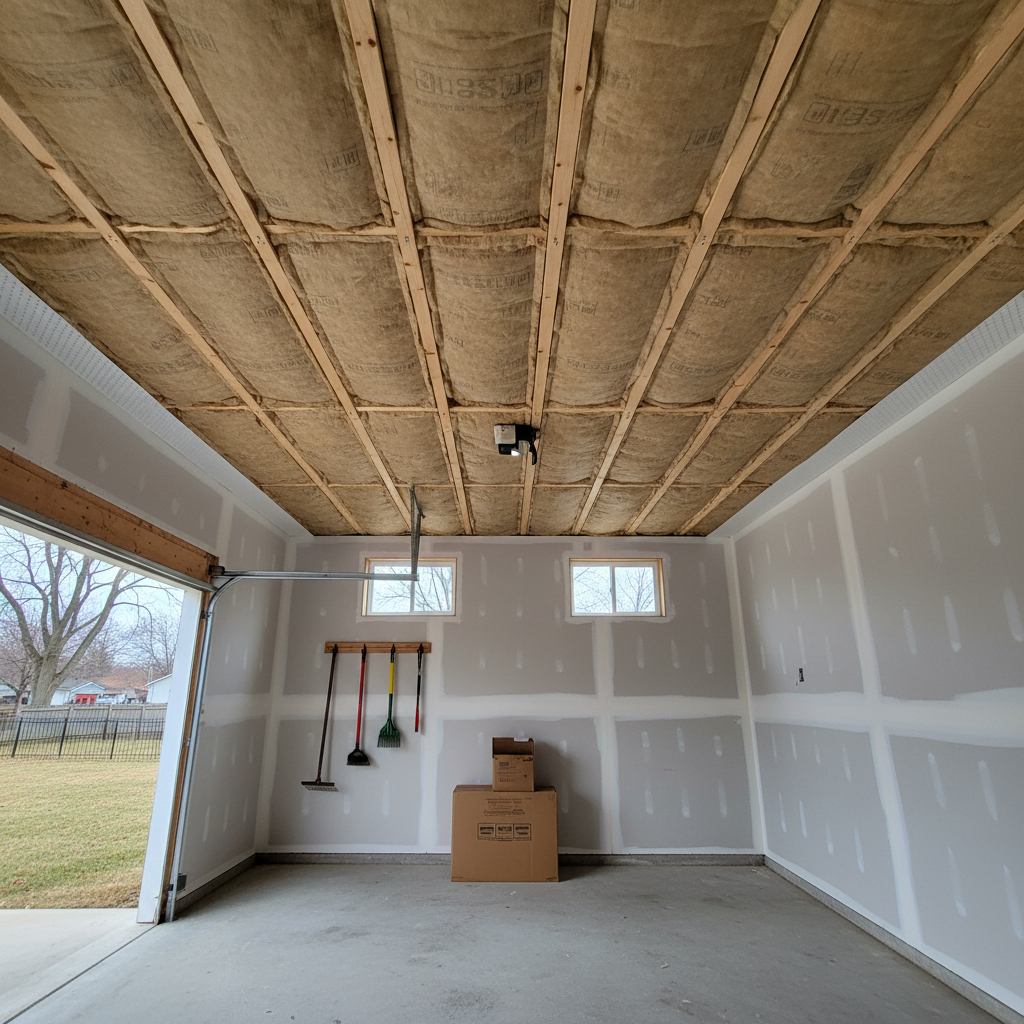
You invested in insulating your garage, maybe even had Guardian Insulation do the work, and now you're enjoying a warmer workshop in winter or a cooler space for your car in summer. That's great! But here's the thing: insulation isn't entirely maintenance-free, especially in a place like Des Plaines where we get all four seasons throwing everything they've got at us.
A little proactive care can seriously extend the life of your garage insulation, prevent bigger problems down the road, and make sure you keep getting the energy savings you signed up for. Let's talk about what you need to do.
Extending the Life of Your Garage Insulation
The best way to make your insulation last is to protect it from its enemies: moisture, pests, and physical damage. It's pretty straightforward.
- Keep it Dry: This is huge. Water is insulation's worst nightmare. Make sure your garage door seals are good and tight, especially the bottom seal. Check for any leaks around windows or where the roof meets the garage walls. If water gets in, it can ruin the insulation and lead to mold.
- Seal Up Gaps: Pests love insulation for nesting. Mice, squirrels, and even insects can chew through or nest in insulation, reducing its effectiveness. Check for any small gaps or cracks around pipes, wires, or vents leading into your garage. Seal them up with caulk or expanding foam.
- Protect from Physical Damage: If you've got exposed insulation, like batts in an unfinished garage, be mindful of what you're doing. Don't lean sharp tools against it or stack boxes that could compress it. Compressed insulation doesn't work as well.
- Ventilation is Key: Even if your garage is insulated, you still need proper ventilation, especially if you store chemicals, use power tools, or park a car that's just come in from the rain. Good airflow helps manage humidity and prevents moisture buildup that can degrade insulation over time.
Regular Maintenance Checks
You don't need to inspect your garage insulation every week, but a quick check once or twice a year, maybe in the spring and fall, goes a long way.
- Visual Inspection: Just look at it. Are there any obvious tears or sagging spots? Has anything shifted? If you have exposed batt insulation, make sure it's still snugly in place between the studs.
- Check for Moisture: Feel around the insulation, especially near the bottom or around any exterior walls. Does it feel damp or look discolored? That's a red flag. Check the walls and ceiling for water stains.
- Look for Pest Activity: Are there any droppings, nests, or chewed-up bits of insulation? If you spot any, you'll want to address the pest problem and then assess the insulation damage.
- Test Door Seals: Close your garage door and look for light coming in around the edges. If you see light, your seals aren't doing their job, and you're letting in cold air, hot air, and moisture.
Warning Signs of Problems
Sometimes problems creep up on you. Here are some signs that your garage insulation might be failing or has issues:
- Sudden Temperature Swings: If your garage suddenly feels a lot colder in winter or hotter in summer than it used to, even with similar outside temperatures, your insulation might be compromised.
- Higher Energy Bills: If your heating or cooling bills for your home go up, and you've insulated your garage, it could be that the garage insulation isn't doing its job, letting more heat escape or enter your home.
- Musty Odors: A persistent musty smell often points to mold or mildew, which means moisture is getting in and affecting your insulation.
- Visible Damage: This is the most obvious. Tears, holes, significant sagging, or areas that look wet or discolored.
- Pest Evidence: If you start seeing more bugs or rodents in your garage, they might be finding their way in through damaged insulation or using it as a home.
When to Call a Professional
Look, some things you can handle yourself, like sealing a small gap or replacing a worn-out door seal. But there are times when it's best to call in someone who knows what they're doing.
- Widespread Water Damage: If you've got large sections of wet or moldy insulation, especially if you can't figure out where the water is coming from, you need professional help. Mold can be a health hazard, and tracking down leaks can be tricky.
- Significant Pest Infestation: If you've got a serious rodent problem that's damaged a lot of insulation, you'll want to deal with the pests first, then have a pro assess the insulation for replacement or repair.
- Unexplained Drafts or Temperature Issues: If you've checked everything obvious and your garage still isn't holding temperature like it should, there might be hidden issues, like air leaks in the walls or ceiling that are hard to spot.
- Insulation is Falling Apart: If your insulation is crumbling, severely compressed, or just not staying in place, it might be time for a partial or full replacement.
- If You're Unsure: Honestly, if you're not comfortable diagnosing or fixing a problem, or if you just want peace of mind, give us a call. We're Guardian Insulation, and we've seen it all when it comes to garage insulation in Des Plaines. We can come out, take a look, and give you an honest assessment of what's going on and what your options are. It's what we do.
Taking care of your garage insulation isn't a huge chore, but it's an important one. A little attention now can save you from bigger, more expensive problems later, and keep your garage a comfortable, energy-efficient part of your home for years to come.