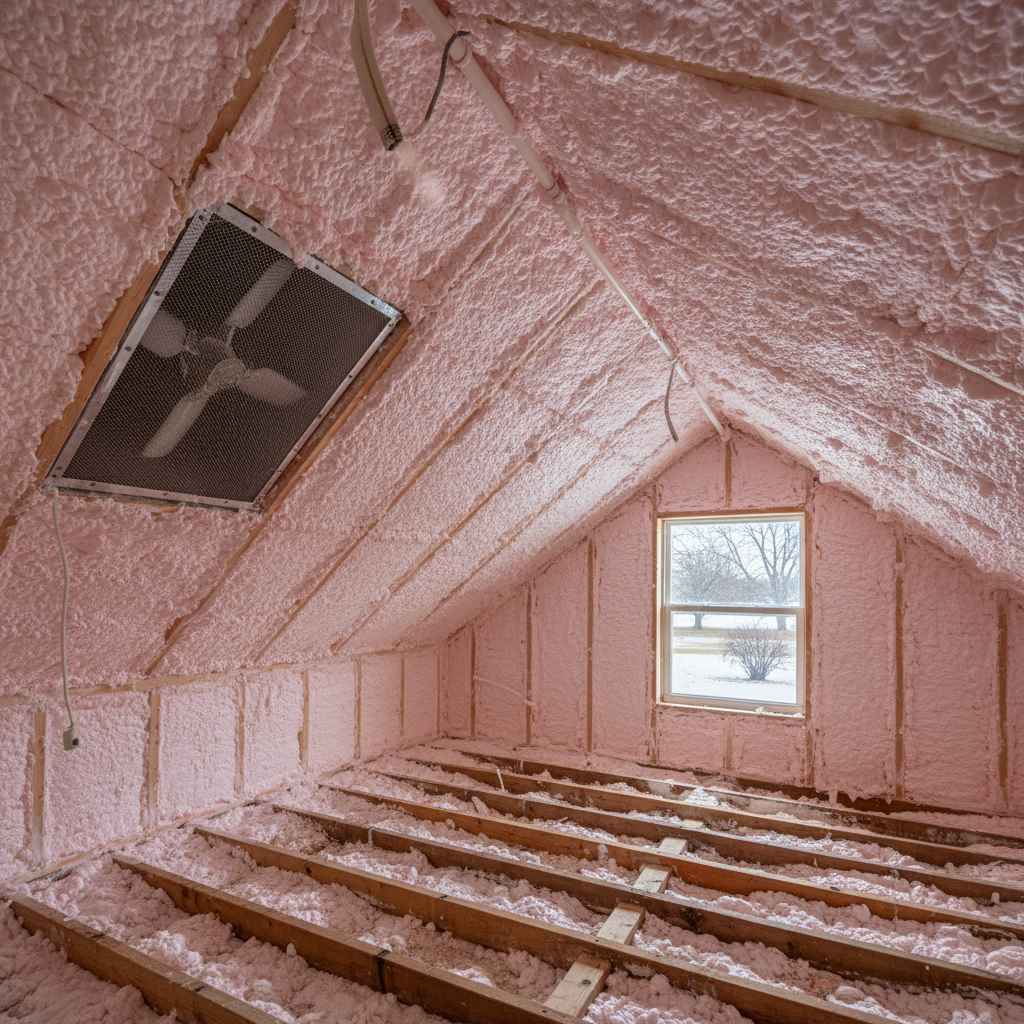
You're probably wondering about open cell spray foam and how it holds up with our crazy Des Plaines weather. It's a smart choice for insulation, no doubt about it, offering fantastic air sealing and R-value. But like any major home improvement, timing and understanding our local climate are key to getting the most out of it.
When's the Best Time for Open Cell Spray Foam Installation?
Honestly, we can install open cell spray foam pretty much any time of year, but some seasons are definitely easier on us and, frankly, better for you. The ideal conditions involve moderate temperatures and low humidity. That's because the chemicals in the foam react best within a certain temperature range, and humidity can affect how it cures.
Spring and fall are usually prime time around here. You get those sweet spots where it's not too hot, not too cold, and the air isn't thick with moisture. This allows the foam to expand and cure properly without us having to fight extreme conditions. We're talking about those nice 50 to 70-degree days with a gentle breeze. It's just perfect.
Summer can work, especially if we get a stretch of dry, less humid days. But when it's scorching and muggy, like those typical August days we get where you can practically swim through the air, it can be a bit more challenging. We might need to adjust ventilation more carefully to ensure proper curing. Winter's doable too, but it means we need to ensure the work area is adequately heated. The foam needs to be applied to surfaces that are above a certain temperature, usually around 40-50°F, for optimal adhesion and expansion. If your attic or crawl space is freezing, we'll need to warm it up first, which adds a step to the process.
What Weather Conditions Affect the Work?
- Temperature: As I mentioned, extreme cold means we need to heat the space. Extreme heat means we're dealing with faster flash-off times, so we have to work quickly and ensure good ventilation.
- Humidity: This is a big one for open cell. High humidity can sometimes affect the foam's cell structure and how it cures. We always monitor humidity levels carefully on site.
- Wind: Strong winds, especially if we're working on an exterior wall cavity or a vented attic, can make application tricky and affect overspray. We'll always take precautions, but it's something to consider.
- Rain/Moisture: This is a no-go. We can't apply spray foam to wet surfaces. If you've had recent leaks or a damp basement, we need to make sure everything is completely dry before we even think about spraying. This is especially true for homes in areas like the older parts of Des Plaines near the river, where damp basements can be a real issue if not properly managed.
Before any job, a Guardian Insulation crew member will do a thorough site assessment. We're not just looking at the space; we're checking the forecast and assessing current conditions to make sure everything's set for a successful installation.
Protecting Your Investment Year-Round
Once your open cell spray foam is in, it's pretty low maintenance, which is one of its big appeals. But there are a few things you can do to ensure it keeps doing its job for decades:
- Maintain Proper Ventilation: Especially in attics. While open cell foam helps seal air leaks, you still need proper attic ventilation to prevent moisture buildup, particularly in our climate with its hot, humid summers and cold winters.
- Address Leaks Promptly: If you ever have a roof leak or a plumbing issue, get it fixed immediately. While open cell foam handles some moisture, prolonged exposure to water can compromise its integrity.
- Pest Control: Keep an eye out for pests. While spray foam isn't a food source, some critters might try to tunnel through it if they're desperate. Regular pest control is always a good idea for any home.
- Avoid Disturbing It: Once it's cured, try not to disturb the foam. If you need to run new wiring or plumbing through an insulated cavity, it's best to call a professional to cut and seal the foam properly.
Open cell spray foam is a fantastic investment for your home's comfort and energy efficiency, especially here in Des Plaines where we see all four seasons in full force. Understanding how our weather impacts installation and knowing how to maintain it will ensure you get the best performance for years to come. If you've got questions or want to talk about your specific home, don't hesitate to give us a call.