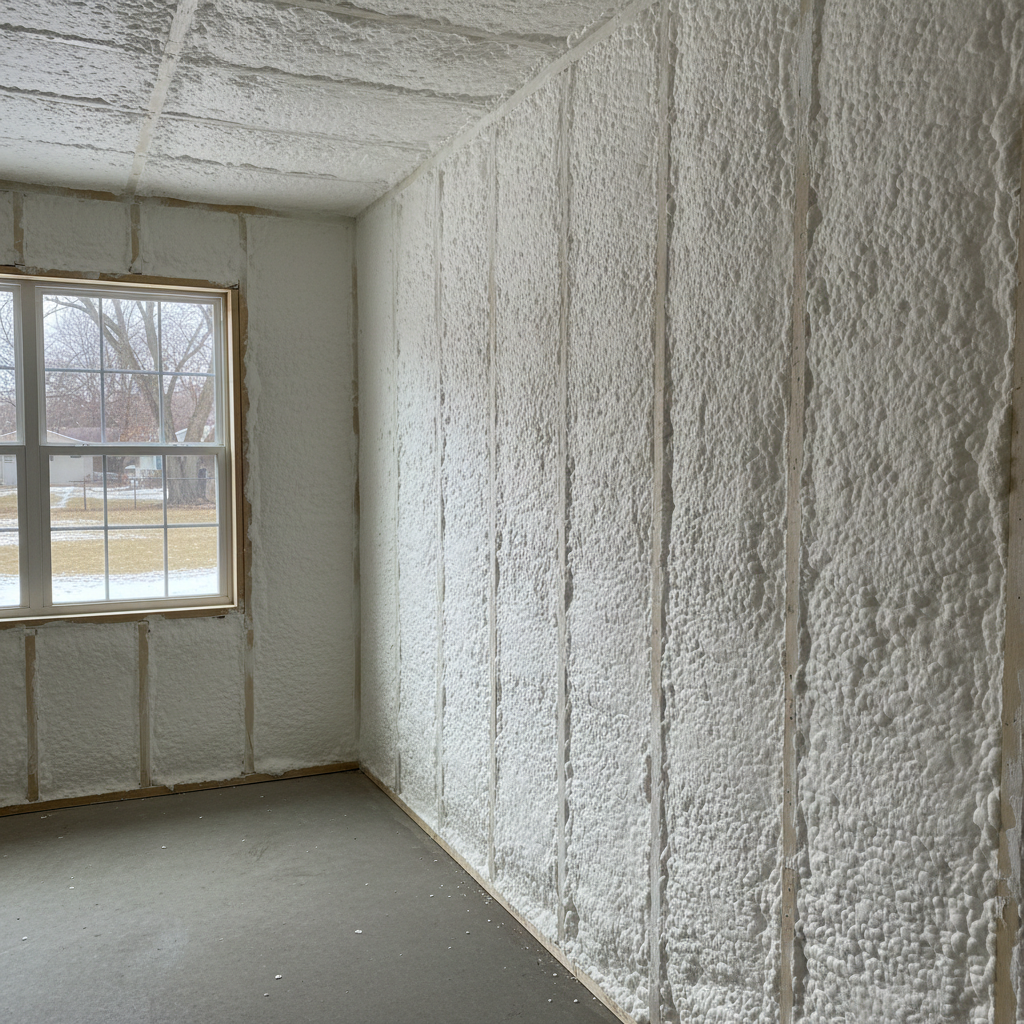
Why bother insulating my garage if it's not heated?
That's a fair question, and honestly, it's one I hear pretty often. Most people figure insulation is just about keeping the heat in, but it does a lot more than that. Even if your garage isn't heated, insulation really helps smooth out those wild temperature swings. Just think about our Des Plaines winters, for example. Without insulation, that garage turns brutally cold, sometimes even dropping below freezing. That means anything you've got stored in there – paint, chemicals, even your car's fluids – gets hit with those extreme temperatures. Come summer, it's the exact opposite; that garage can easily become an oven. Insulation slows down that heat transfer, making things less extreme. It protects your stuff, makes working out there a lot more comfortable, and can even help keep the living spaces right next to it from getting too cold or hot. Pretty neat, huh?
Will insulating my garage make my house warmer/cooler?
Oh, absolutely, it can make a huge difference, especially if your garage shares a wall with your actual living space, like a kitchen or a bedroom right above it. That shared wall is a major spot for heat to transfer. If your garage is freezing in winter, that cold just seeps right into your house. Your furnace then has to work overtime to keep those rooms comfortable. The same thing happens in summer; a scorching hot garage radiates heat into your home, making your AC unit run constantly. Insulating those garage walls and the ceiling (if there's living space up there) acts like a buffer. It cuts down on that energy drain, which means your HVAC system doesn't have to fight nearly as hard. That can save you a bit on those utility bills, too. So, it's not just about the garage; it's about your whole house's energy efficiency.
What kind of insulation is best for garage walls and ceilings?
There isn't a single