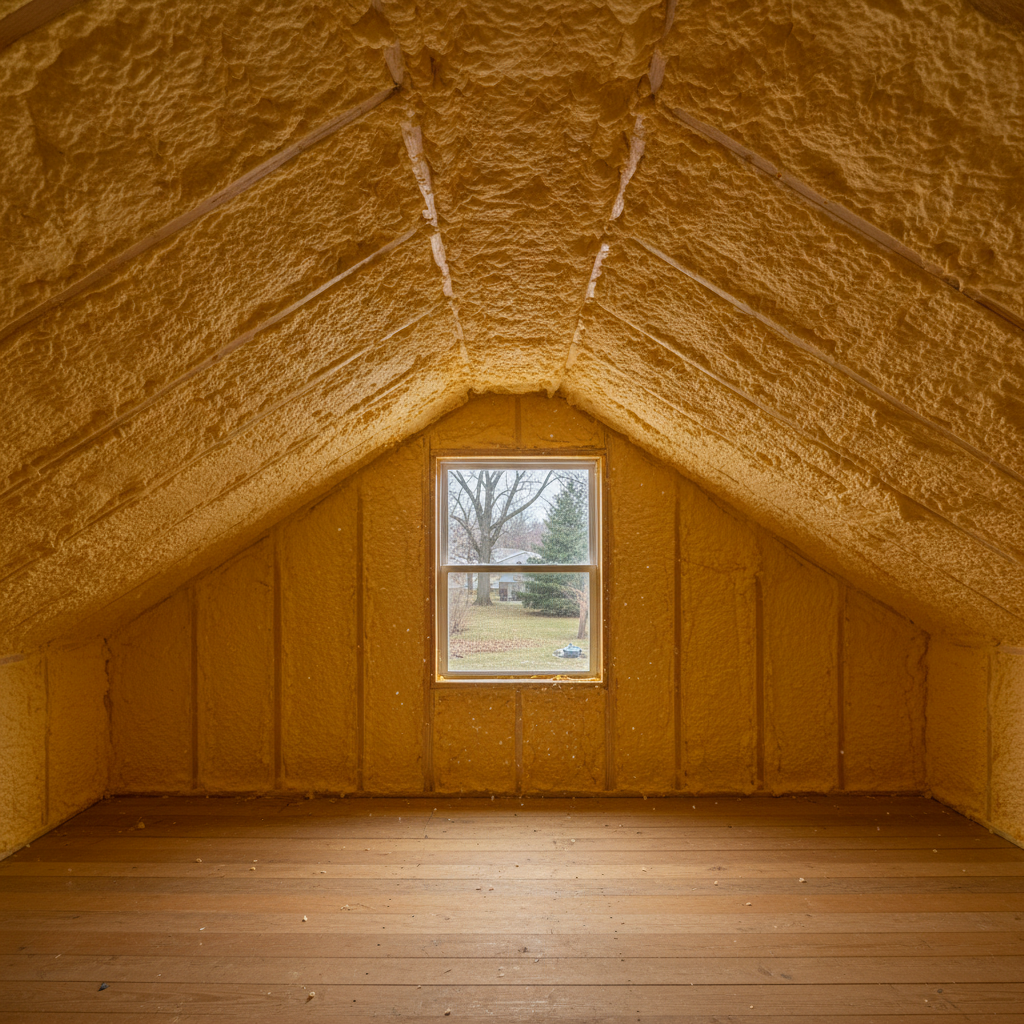
You've heard about closed cell spray foam – it's tough, it seals like crazy, and it can really make a difference in your home's comfort and energy bills. But when's the best time to get it installed here in Des Plaines? And what do you need to know about keeping that investment solid through our wild weather? Let's break it down.
Timing Your Closed Cell Spray Foam Project
People often ask me, "When's the best time to spray foam?" The truth is, closed cell spray foam is pretty versatile. It's not as finicky as some other insulation types when it comes to temperature during installation. We can spray it successfully in a wider range of conditions than, say, open cell foam or even some traditional batt insulation applications that need a perfectly dry, moderate environment.
That said, there are still some smart ways to schedule. If you're building a new home or doing a major renovation where the walls are open, honestly, any time of year works. We're not fighting with existing drywall or furniture. But if we're insulating an existing space, like an attic or a crawl space, here's what I tell folks:
- Spring or Fall: These are often ideal. The temperatures are usually mild, which means the material cures nicely, and we're not battling extreme heat or cold. Plus, you get to enjoy the benefits right away as the seasons change.
- Summer: Totally doable. The heat actually helps the foam cure faster. The main thing we're concerned about is making sure the area is well-ventilated during and right after application. We're also careful about scheduling around those super humid days, but it's rarely a showstopper for closed cell.
- Winter: We can absolutely spray in winter. The foam itself generates its own heat during the chemical reaction, which helps it cure even when it's cold outside. The biggest challenge for us is often just getting our equipment to the site and making sure the area we're spraying isn't below freezing. If it's an unheated space, we might need to use temporary heaters to bring the surface temperature up a bit before we start. This is especially true for those brutal January cold snaps we get here in Des Plaines, where the ground freezes solid and pipes can burst if they're not protected.
The key takeaway? Don't put off a project because you think it's the "wrong season." We can almost always make it work. It's more about coordinating with other trades if it's part of a bigger job.
Weather Conditions That Matter (and Don't)
When we're talking about closed cell spray foam, here's what we pay attention to:
- Surface Temperature: This is probably the most critical factor. The surface we're spraying onto (framing, subfloor, foundation walls) needs to be within a certain temperature range for the foam to stick and cure properly. If it's too cold, we'll warm it up. If it's too hot, we might need to cool it down or adjust our spray technique.
- Moisture: The surface needs to be dry. Closed cell foam creates its own vapor barrier, but it won't stick well to a wet surface. We'll always check for moisture before we start.
- Wind: High winds can be an issue, especially if we're spraying an exterior wall before the sheathing is on. It can blow the foam away before it has a chance to adhere. We'll often use temporary barriers or reschedule if it's too gusty.
- Humidity: Less of a concern for closed cell than open cell, but extremely high humidity can sometimes affect cure times. We monitor it, but it rarely stops a job.
What doesn't usually matter as much? Rain or snow, as long as the area we're working in is protected and dry. We're not spraying outside in a downpour, obviously, but if your attic is open and it's raining, we're not going to spray until it's dry and protected.
Protecting Your Investment Year-Round
Once closed cell spray foam is in, it's pretty much set and forget. That's one of its big advantages. It's durable, it doesn't settle, and it resists moisture. But there are a few things you can do to make sure it keeps performing its best:
- Don't Disturb It: Try not to poke, prod, or cut into the foam. If you need to run new wiring or plumbing through a foamed area, it's best to call a professional. We know how to do it without compromising the thermal envelope.
- Keep it Covered: In certain areas, like attics or crawl spaces, building codes often require a thermal barrier over the spray foam for fire safety. We'll always make sure this is addressed during installation, but it's good to know why it's there.
- Address Leaks Promptly: While closed cell foam is excellent at resisting water, no insulation can fix an ongoing leak. If you have a roof leak or a plumbing issue, get it fixed right away. Even though the foam itself won't absorb water like some other materials, prolonged exposure can still lead to other problems in your home.
- Regular Home Maintenance: Just keep up with your general home maintenance. Make sure your gutters are clean, your roof is in good shape, and your foundation is sound. A well-maintained home protects all its components, including your insulation.
At Guardian Insulation, we've seen firsthand how much of a difference closed cell spray foam makes for homes around Des Plaines, from the older bungalows near Lake Opeka to the newer developments. It's a solid investment, and with a little understanding of how it works with our local climate, you'll be comfortable and saving money for years to come. Who doesn't want that?