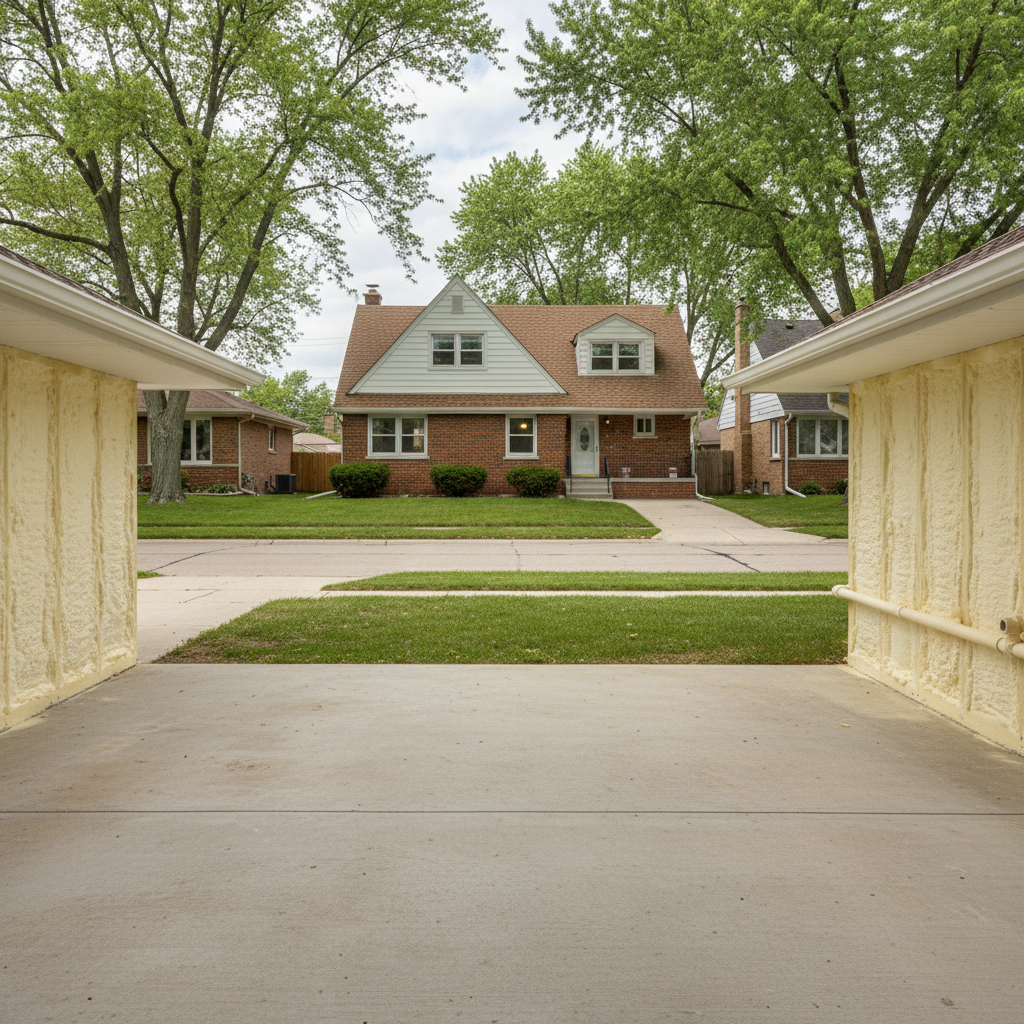
Alright, let's talk basements. Around Des Plaines, I've seen my share of them, from the older homes near downtown with their stone foundations to the newer builds out by Cumberland. And almost every single time, when I get down there, the first thing I notice is how much energy homeowners are just letting leak right out of their pockets.
You might think, “It’s just a basement, who cares?” But here’s the thing: your basement is a huge part of your home’s thermal envelope. If it’s not properly insulated, you’re essentially heating or cooling the ground outside. And around here, with our brutal winters and those humid summer stretches, that’s a recipe for high utility bills and a generally uncomfortable house.
Why Your Des Plaines Basement Needs Insulation
It’s not just about keeping warm. Though, let’s be honest, nobody likes a drafty basement. Here’s what I tell folks:
- Energy Savings: This is the big one. Uninsulated basements can account for a significant chunk of your home's heat loss in winter and heat gain in summer. Imagine putting a sweater on your foundation – that's what insulation does. You’ll feel it in your comfort, and you’ll definitely see it on your gas and electric bills.
- Moisture Control: This is huge in our area. We've got a lot of clay soil around Des Plaines, and it holds onto moisture. That moisture can seep into your basement walls, leading to dampness, musty smells, and even mold. Good insulation, especially the right type, creates a barrier against that moisture, helping keep your basement drier and healthier.
- Improved Comfort: Ever notice how the floors on your main level feel cold in winter? That’s often because your basement isn’t insulated. Insulating the basement helps stabilize the temperature down there, which in turn makes your main living areas more comfortable.
- Protecting Your Investment: If you’re thinking about finishing your basement, insulation is step one. You wouldn't paint over a crumbling wall, right? Don't finish a basement without properly insulating it. It’s foundational for making that space truly usable and protecting your drywall and flooring from moisture issues.
Common Basement Insulation Mistakes I See
I’ve seen some doozies over the years. People try to DIY it, or they hire someone who doesn’t really know what they’re doing, and it ends up costing them more in the long run. Here are a couple of common pitfalls:
- Using the Wrong Materials: Not all insulation is created equal, especially for basements. Fiberglass batts, for example, can be a problem if they get wet. They lose their R-value and can become a breeding ground for mold. We usually recommend things like rigid foam boards or spray foam for basement walls because they handle moisture much better and provide a continuous thermal and vapor barrier.
- Ignoring Air Sealing: Insulation is only half the battle. You can have the thickest insulation in the world, but if you’ve got cracks and gaps where air can leak in and out, you’re still losing energy. We always make sure to air seal around rim joists, penetrations, and any other openings before we insulate. It makes a massive difference.
- Not Understanding Local Conditions: This is where local expertise really comes into play. Our climate here in Des Plaines, with its freeze-thaw cycles and sometimes heavy spring rains, means we have to be extra careful about moisture management. What works in Arizona isn't going to cut it here.
Why Local Expertise Matters for Des Plaines Basements
You wouldn't hire a desert landscaper for your suburban Chicago yard, would you? It's the same with insulation. At Guardian Insulation, we're not just some national chain; we're right here in Des Plaines. We understand the specific challenges of homes in our area – the older brick bungalows, the split-levels, the water tables, the local building codes. We know what works best for homes that have seen decades of Illinois weather.
When you call us, you’re not just getting an installer; you’re getting someone who knows the difference between insulating a basement in a newer subdivision like those west of Mannheim Road versus an older home near Lake Park. We'll come out, take a look at your specific situation, and give you an honest assessment of what your basement needs to be comfortable, dry, and energy-efficient. Don't let your basement be a forgotten space that's costing you money. Let's get it insulated right.