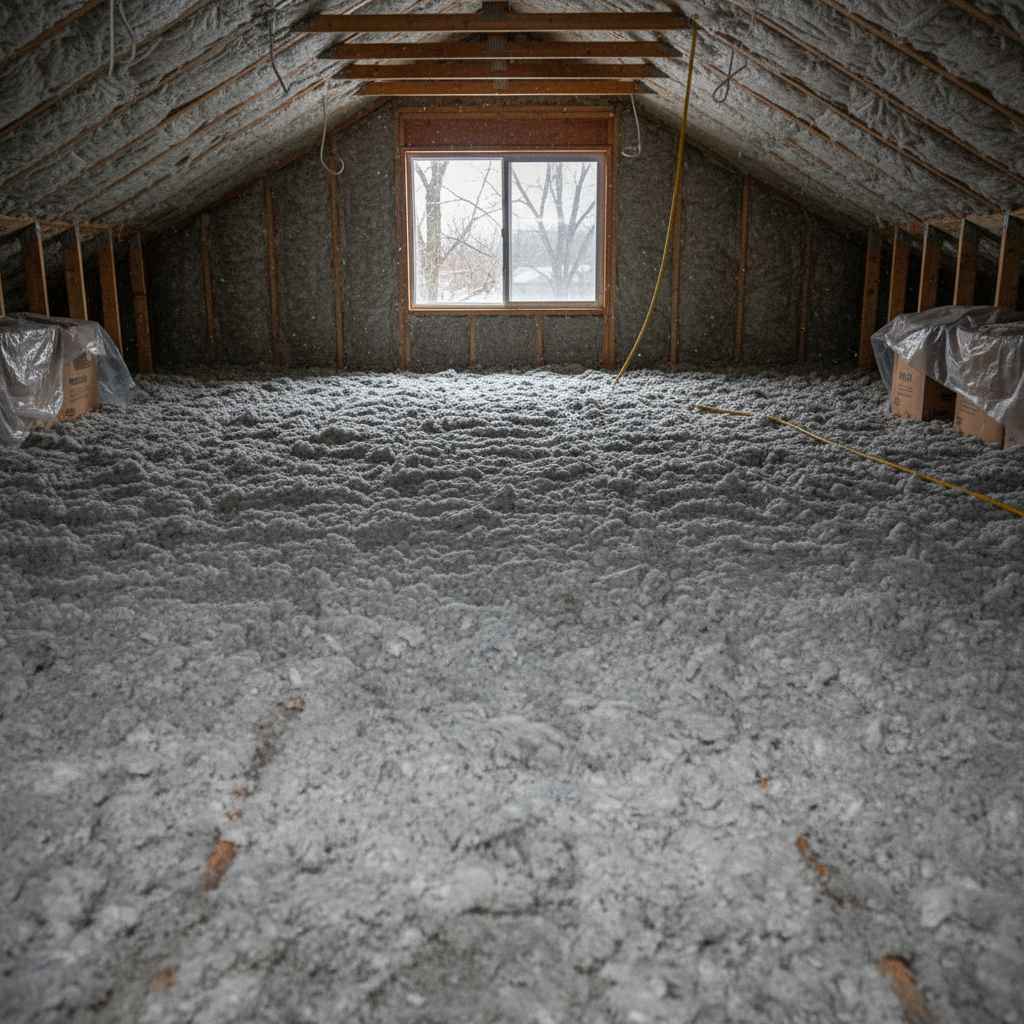
You know how our weather here in Des Plaines can swing, right? One day it's 80 degrees and sunny, the next it's a bitter cold snap with wind off the lake. That's why your attic insulation isn't just a winter thing; it's a year-round shield for your home and your wallet. If you're wondering when to tackle an insulation project or how to keep what you've got in top shape, you've come to the right place.
When's the Best Time for Attic Insulation Work?
Honestly, there's no single 'perfect' time. Every season has its pros and cons, but here's what I've seen working here in Des Plaines for years:
- Spring (April-May): This is often ideal. The weather's usually mild, so your attic isn't scorching hot or freezing cold. It's comfortable for the crew, which means a more efficient job. Plus, getting it done in spring means you're all set for the summer heat and not scrambling when the first cold snap hits.
- Fall (September-October): Another great window. Similar to spring, temperatures are generally moderate. You're beating the worst of winter, and you'll immediately feel the benefits as heating season ramps up.
- Summer (June-August): We can definitely do work in the summer, but attics get brutally hot. We're talking 120-140 degrees up there. It's tough on the crew, and we have to take more breaks for safety. It might take a bit longer, but if summer's your only option, we'll make it happen. You'll certainly appreciate the cooler home right away!
- Winter (November-March): It's doable, especially for blown-in insulation, but we have to watch the weather. Extremely cold days or heavy snow can make access tricky and affect material performance for some types of insulation. If you're doing a full removal and re-install, you'll feel the cold more acutely in your home during the process.
The main takeaway? Don't wait until you're uncomfortable. Planning ahead in spring or fall usually makes for the smoothest process.
Weather Conditions That Affect the Job
When we're talking about insulation, especially blown-in or spray foam, weather does play a role. For most of our blown-in cellulose or fiberglass jobs, a little rain or cold isn't a problem. We're working inside your attic, after all. But there are a few things we keep an eye on:
- High Winds: If we're using a large hose from the truck to blow insulation, strong winds can make it a bit messier, especially if we're dealing with an older home with less-than-perfect attic sealing. It's not a deal-breaker, but we'll take extra precautions.
- Heavy Rain/Snow: While we're inside, getting equipment and materials to and from the truck can be challenging and messy. We're always careful, but extreme precipitation can slow things down. More importantly, we need to ensure your attic is dry before we install anything. If you've had a recent leak, we'll need to confirm it's fixed and dried out completely.
- Extreme Temperatures: As I mentioned, super hot attics mean slower work for the safety of our team. Freezing temperatures aren't usually an issue for blown-in, but some spray foam applications have temperature requirements for optimal curing. We'll always discuss this if spray foam is part of your project.
We're professionals; we've dealt with all kinds of Chicago-area weather. We'll always advise you if conditions aren't ideal for your specific project.
Protecting Your Insulation Investment Year-Round
Once you've got good insulation, you want it to last, right? Here's how to protect that investment:
- Keep it Dry: This is huge. Leaks from your roof, plumbing, or even poorly vented bathrooms can soak insulation, making it useless and inviting mold. Regularly check your attic for any signs of water stains or dampness. If you've got an older home in a neighborhood like Cumberland or Terrace, those older roofs might need a closer look.
- Ventilation is Key: Proper attic ventilation works hand-in-hand with insulation. It helps remove heat in the summer and moisture in the winter, preventing ice dams and keeping your insulation dry and effective. Make sure your soffit and ridge vents aren't blocked.
- Pest Control: Rodents, birds, and insects love to nest in insulation. They can compress it, tear it, and leave droppings, ruining its effectiveness and creating health hazards. Seal up any entry points you find in your attic or around your roofline.
- Avoid Compacting: Don't store heavy items directly on top of loose-fill insulation. It'll compress it, reducing its R-value. If you need storage, consider adding an elevated storage platform.
- Schedule Check-ups: If you're unsure, have a professional like Guardian Insulation come out every few years. We can spot potential issues before they become big problems, check for settling, and ensure everything's still performing as it should. It's like a check-up for your home's energy shield.
Your attic insulation is a critical component of your home's comfort and efficiency. Taking a little time to understand its needs and protect it will pay off big time, keeping your Des Plaines home cozy and your energy bills manageable, no matter what Mother Nature throws our way.