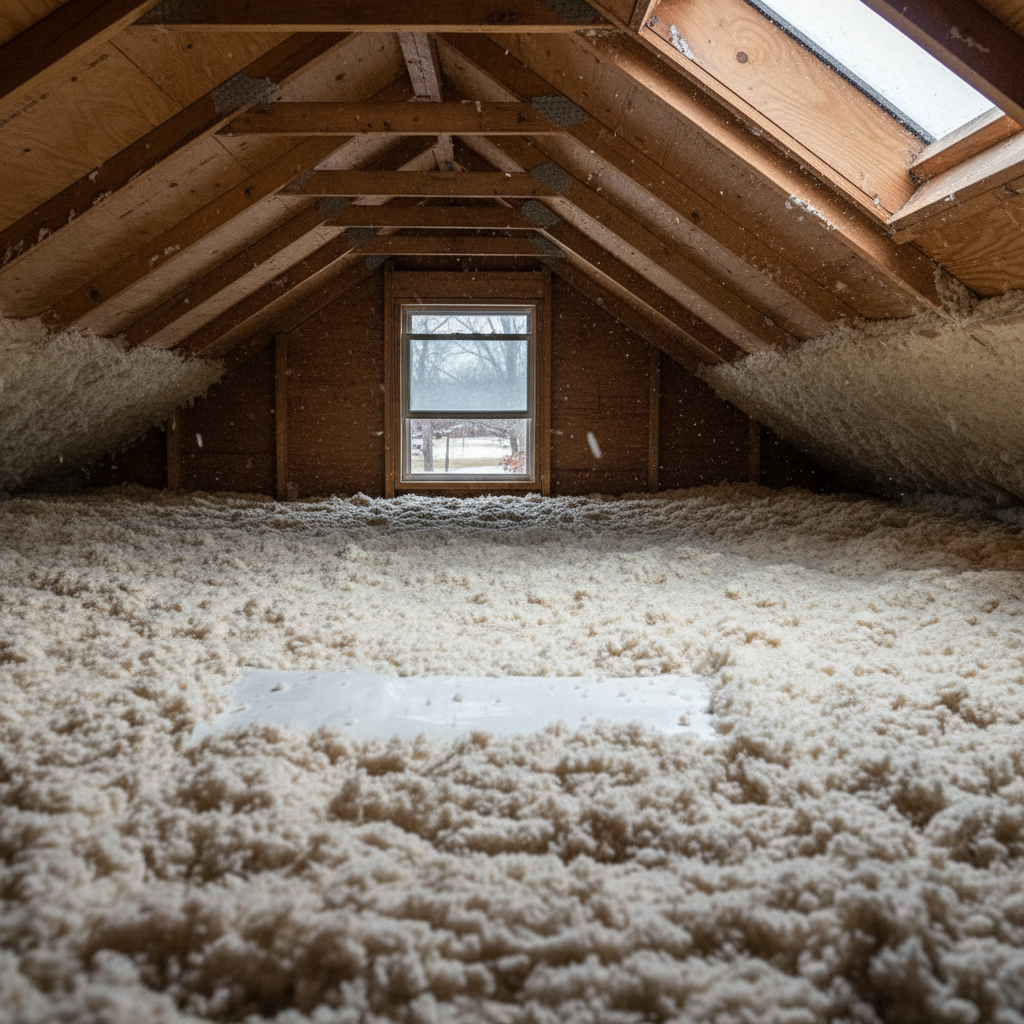
Alright, let's talk attics. I spend a lot of time up there, and I've heard just about every question you can imagine from homeowners here in Des Plaines. It's a critical part of your home's energy efficiency, comfort, and even its longevity. So, I figured I'd tackle the most common questions I get asked head-on. No fluff, just the facts.
How do I know if I need more attic insulation?
This is probably the number one question. The easiest way to tell is if your energy bills are through the roof, especially in winter or summer. But beyond that, you can often just look. Head up to your attic on a cooler day. If you can easily see the tops of your ceiling joists (those wooden beams that make up the floor of your attic), you probably don't have enough insulation. You should ideally see insulation piled up over them, not just between them. Another sign? Uneven temperatures in your house. One room feels like a freezer, another like a sauna. That's a classic sign of poor insulation, and the attic is often the biggest culprit.
What's 'R-value' and why does it matter for my attic?
R-value is just a fancy way of saying how well insulation resists heat flow. The higher the R-value, the better it insulates. For attics in our climate zone (that's Zone 5, for those who like details), the Department of Energy recommends an R-value between R-49 and R-60. Most older homes around Des Plaines, especially those built before the 90s, might only have R-19 or R-30. That's just not cutting it anymore with today's energy costs and comfort expectations. We're talking about preventing heat from escaping in winter and baking your house in summer. Getting the right R-value means a more stable indoor temperature and lower utility bills.
What kind of insulation is best for an attic?
For attics, you're generally looking at blown-in fiberglass or cellulose. Each has its pros and cons. Blown-in fiberglass is made from recycled glass, it's non-combustible, and it doesn't settle much over time. Cellulose is made from recycled paper products, often treated with fire retardants, and it's usually a bit denser, which can help with sound dampening. Both are excellent choices for filling irregular spaces and getting good coverage. We often recommend blown-in fiberglass for its long-term stability and moisture resistance, but it really depends on your specific attic and what you're trying to achieve. We'll always talk through the best option for your home.
Will new attic insulation really save me money?
Absolutely, it's one of the best investments you can make in your home. Think about it: heat rises. If your attic is poorly insulated, all that expensive heat you're generating in winter just goes straight out the roof. In summer, the sun bakes your roof, and that heat radiates down into your living space, making your AC work overtime. By properly insulating your attic to the recommended R-value, you're creating a thermal barrier. You'll see noticeable drops in your heating and cooling bills. It's not just a comfort thing; it's a financial one. Most homeowners see a return on investment within a few years through energy savings alone.
What about attic ventilation? Does that matter with insulation?
Oh yeah, ventilation is huge, and it's often overlooked. Insulation and ventilation work hand-in-hand. Proper attic ventilation helps remove heat and moisture. In summer, it vents out super-heated air, making your AC's job easier. In winter, it helps prevent moisture buildup, which can lead to mold, mildew, and even rot in your roof structure. It also helps prevent ice dams, which are a big problem around here when we get those heavy snowfalls and fluctuating temperatures. You need a balanced system of intake vents (usually in your soffits) and exhaust vents (ridge vents, static vents, or power vents). Without good ventilation, even the best insulation can run into problems.
Can I install attic insulation myself?
You can, but I generally don't recommend it for a full re-insulation project. It's messy, uncomfortable, and frankly, it's easy to mess up. Getting uniform coverage, making sure you don't block soffit vents, sealing air leaks properly, and working safely in a hot, cramped attic are all challenges. Plus, renting the right equipment for blown-in insulation can be a hassle. We've got the gear, the experience, and we know all the tricks to get it done right and safely. It's not just about dumping insulation; it's about creating an effective thermal envelope. We've seen plenty of DIY jobs that end up costing more to fix later than if a pro had just done it from the start.
How long does attic insulation last?
Good quality blown-in insulation, whether fiberglass or cellulose, can last for decades—50 to 100 years, sometimes even longer, if it's installed correctly and stays dry. The biggest enemies of insulation are moisture, pests, and compression. If you have a leaky roof, or if animals get into your attic and nest in it, that'll degrade your insulation fast. That's why we always check for those issues before we even think about adding more insulation. If your attic is dry and critter-free, your new insulation from Guardian Insulation will be working hard for your home for a very, very long time.
Should I worry about air leaks in my attic?
You absolutely should. Air sealing is actually more important than insulation in many cases, and it should always be done *before* you add insulation. Think of it this way: insulation is like a warm blanket, but air leaks are like leaving a window open. You can have the best blanket in the world, but if the window's open, you're still going to be cold. We're talking about gaps around plumbing stacks, electrical wires, recessed lights, chimney chases, and even the attic hatch itself. Sealing these leaks with caulk, foam, or weatherstripping stops conditioned air from escaping and unconditioned air from entering. It's a crucial step that Guardian Insulation always includes in our process because it makes your insulation perform much, much better.