Blown-In Insulation: What It Is and Why You'd Want It
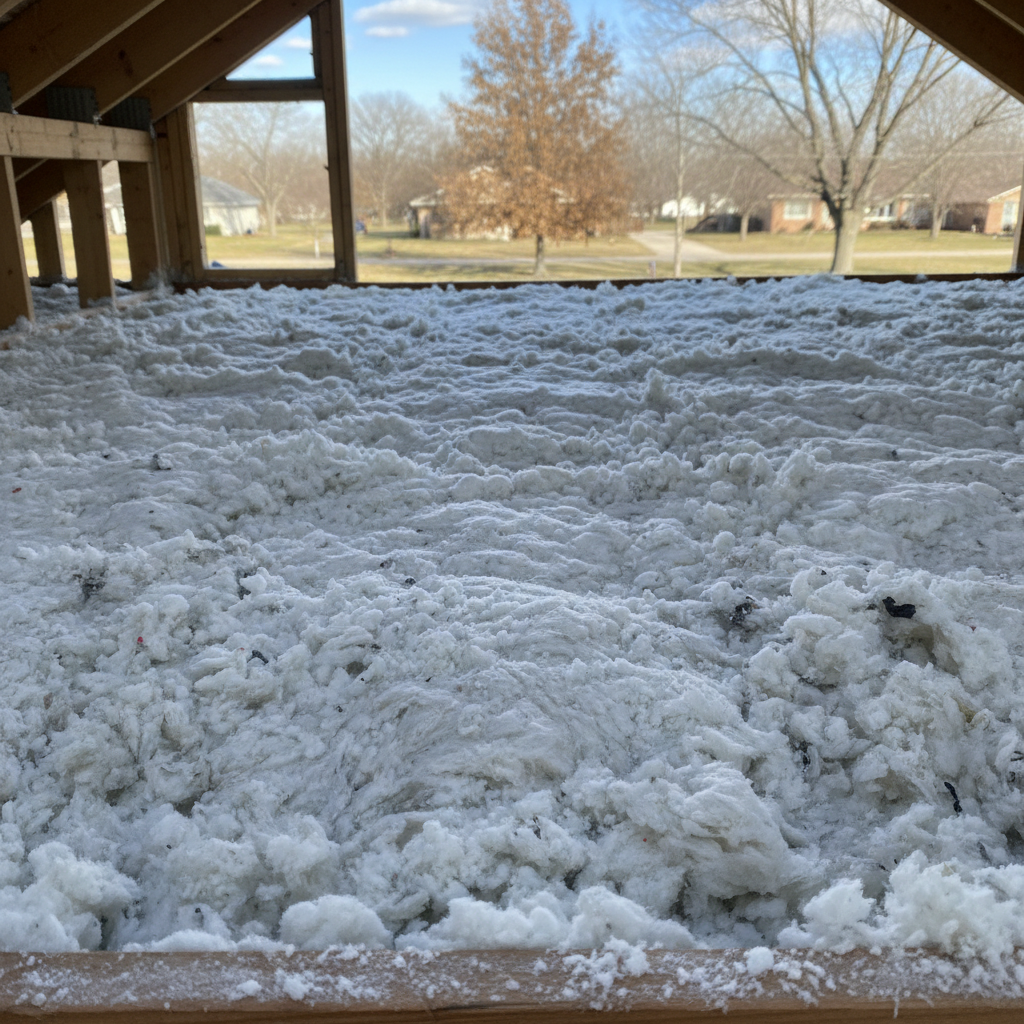
You're probably wondering about blown-in insulation, right? It's a fantastic way to boost your home's energy efficiency, especially in attics, walls, or even those tricky crawl spaces. Basically, we're talking about loose-fill insulation – usually cellulose or fiberglass – that gets blown into cavities using a special machine. It fills every nook and cranny, which is something batt insulation just can't do as well, especially in older homes with irregular framing or a bunch of wires and pipes getting in the way.
Why would you want it? Simple. Better comfort, lower energy bills. It helps keep your home warmer in the winter and cooler in the summer. Here in Des Plaines, with our wild temperature swings, a well-insulated home isn't just a luxury; it's a necessity. Plus, it can help with sound dampening, which is a nice bonus if you live near a busy road or have a noisy family.
Before You Start: Planning Your Blown-In Project
Alright, so you're considering it. Good. First thing's first: figure out where you need it. Most folks start with the attic. It's usually the easiest to access and where you get the biggest bang for your buck. Check your existing insulation. Is it old, flattened, or just plain missing in spots? If you can see the tops of your ceiling joists, you definitely need more.
Next, you've got to decide on the material. Cellulose is recycled paper products, treated for fire resistance and pests. It's dense, good for sound, and often a bit cheaper. Fiberglass is made from glass fibers; it's lighter and doesn't settle as much. Both are good choices. We work with both here at Guardian Insulation, and I can tell you they both do a great job when installed right.
You'll also need to consider your R-value target. That's the insulation's resistance to heat flow. For attics in our climate zone (Chicago area), we're usually aiming for R-49 to R-60. Your local building codes will have specific recommendations, so it's always smart to check those out.
DIY vs. Calling a Pro: Where Do You Draw the Line?
This is where it gets real. Can you DIY blown-in insulation? Yes, you absolutely can. Rental machines are available at most big box hardware stores, often free with a certain amount of insulation purchased. It's not rocket science to operate one, but it does take some grunt work and patience.
What You Can Realistically DIY:
- Attic Top-Off: If you've already got some insulation and just need to add another layer to reach that R-value, you can probably handle this. It's messy, but straightforward. Just make sure you're not covering any attic vents or recessed lighting without proper baffles.
- Simple Wall Cavities: If you're doing an addition or have an open wall, blowing insulation into those empty studs isn't too tough.
When to Call a Pro (Seriously, Don't Skimp Here):
- Dense-Packing Existing Walls: This is where you drill holes in your exterior walls and blow insulation in. It's tricky. You need to know how to avoid electrical wires, plumbing, and not over-pack, which can bulge drywall. You also need to seal those holes properly.
- Crawl Spaces: These are often tight, dirty, and require specific techniques to ensure proper coverage and moisture control.
- Removing Old Insulation: If your old insulation is moldy, pest-ridden, or just nasty, getting it out safely is a job for pros with the right equipment and disposal methods.
- Air Sealing: Before you blow in insulation, especially in an attic, you NEED to air seal. This means sealing up all those little gaps and cracks where air leaks between your conditioned living space and the unconditioned attic. This is a critical step that many DIYers miss, and it makes a huge difference. Pros know exactly what to look for and how to seal it effectively. We're talking around vent pipes, electrical boxes, attic hatches – all those spots where warm, moist air from your house wants to sneak into your cold attic in winter, causing condensation and potential problems.
- Permits and Inspections: For larger projects, especially those involving exterior walls, you might need a permit from the City of Des Plaines. A professional contractor will handle all that paperwork and ensure everything meets code.
During the Project: What to Expect
Whether you're doing it yourself or hiring us, it's going to be dusty. Wear a good respirator, eye protection, and long sleeves. Lay down tarps. If you're in the attic, watch your step – stick to the joists, don't step on the drywall ceiling below! If you've got a pro doing it, they'll set up their equipment, run hoses, and get to work. It's usually a pretty quick process once they get going.
After the Project: Enjoy the Benefits
Once the dust settles (literally), you should notice a difference pretty quickly. Your furnace or AC won't be running as constantly. Rooms that were always too hot or too cold should feel more balanced. You'll likely see a dip in your energy bills, which is the whole point, right? Keep an eye on your attic after a big temperature change or a heavy rain, just to make sure everything's holding up. If you hired a reputable company like Guardian Insulation, you'll have a warranty and peace of mind knowing the job was done right.
So, there you have it. Blown-in insulation is a smart move for most Des Plaines homes. Just be honest with yourself about what you can tackle and don't hesitate to call in the experts when the job gets complicated. It'll save you headaches and money in the long run.