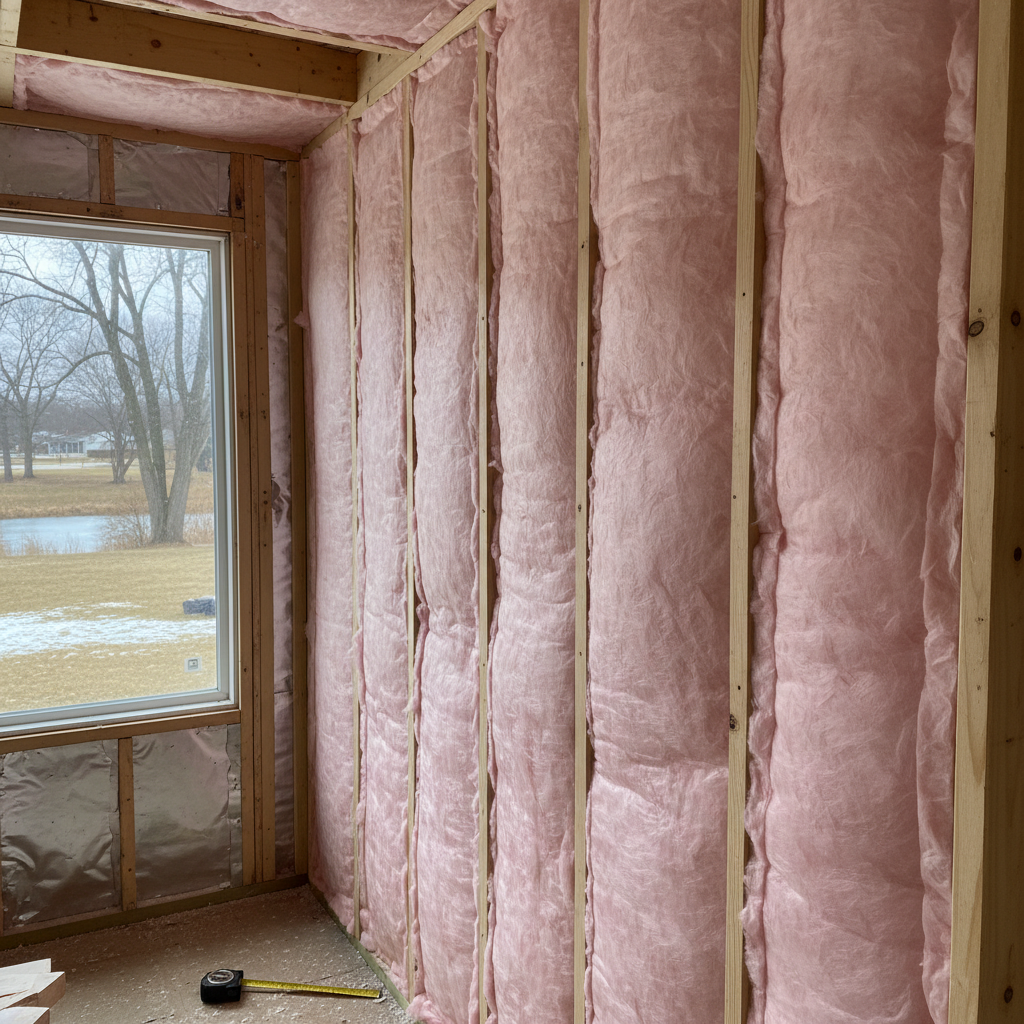
Alright, let's talk batt insulation. I get a lot of calls from homeowners around Des Plaines, and while everyone knows about attic insulation, there's actually a whole lot more to batt insulation than just that. People often ask similar things, so I figured I'd put together some straight answers for you. No fluff, just the facts from someone who's been doing this for years.
Can I install batt insulation myself, or should I hire a pro?
Look, I'm not going to tell you it's impossible to do it yourself. Plenty of folks try. But here's the deal: getting batt insulation right is trickier than it looks. You've got to make sure there are no gaps, no compression, and that you cut it perfectly to fit. Every little gap, every sag, every bit of squished insulation means you're losing R-value and, frankly, wasting your money. If you're insulating an unfinished basement wall or a simple stud bay in a new addition, maybe you can tackle it. But if you're talking about a whole house, especially in existing walls, or anywhere with lots of pipes, wires, and odd angles? That's where you really want someone who knows what they're doing. We've seen plenty of DIY jobs that end up costing more to fix than if they'd just called us at Guardian Insulation in the first place. You know?
What's the difference between fiberglass and mineral wool batt insulation?
This is a good question because both are common, but they have different strengths. Fiberglass is what most people picture: those pink or yellow rolls. It's affordable, widely available, and does a good job of thermal insulation. We make it from spun glass fibers. Mineral wool, on the other hand, comes from basalt rock and slag. It's denser, which often makes it a better sound barrier – a big plus if you're trying to quiet down a noisy room or separate living spaces. Mineral wool also has a higher R-value per inch than typical fiberglass. Plus, it's naturally fire-resistant and water-repellent, which can really help in certain spots. For homes near busy roads like Mannheim Road, that extra sound dampening from mineral wool can make a huge difference.
Where else besides the attic can batt insulation be installed?
Everywhere! Well, almost. Most people think attic, and that's critical, but batt insulation is fantastic for walls – both inside and out – ceilings between floors, and even in some crawl spaces or basements. For exterior walls, it's a no-brainer for energy efficiency. For interior walls, it's all about sound control. Want to keep the noise from the kids' playroom out of your home office? Batt insulation in those interior walls will make a huge difference. We also use it in rim joists in basements. People often overlook these, but they can be a major source of heat loss.
Does batt insulation help with soundproofing?
Absolutely, it does. While it's not a complete soundproofing solution like specialized acoustic panels, putting batt insulation in interior walls, ceilings, and floors significantly reduces sound transmission. The material's density and fibrous nature absorb sound waves, stopping them from traveling as easily through your home. If you're building a new home or renovating, it's a smart, relatively inexpensive upgrade to add batt insulation to bedroom walls, bathrooms, and laundry rooms. You'll thank yourself later when you don't hear every flush or every late-night movie from the next room.
How long does batt insulation last, and does it need to be replaced?
Good quality batt insulation, properly installed, can last for decades – often the lifetime of your home. It doesn't really 'wear out' the way some other building materials do. However, there are reasons it might need replacement. Water damage is a big one; if it gets wet and stays wet, it can lose its R-value, compress, and even lead to mold. Pest infestations can also ruin it, as critters love to nest and tunnel through insulation. If your insulation is old, compressed, damaged, or you're noticing drafts and high energy bills, it's worth having us take a look. Sometimes it's just a matter of adding more on top, but other times, removal and replacement are necessary.
What R-value should I be looking for in batt insulation for my Des Plaines home?
The R-value you need depends on where you're putting it. R-value is basically how well the insulation resists heat flow. For attics in our climate zone (which is Zone 5 for us here in Des Plaines), the Department of Energy recommends R-49 to R-60. For exterior walls, you're typically looking at R-13 to R-21, depending on the stud depth. Floors over unheated spaces usually need R-25 to R-30. It's not a one-size-fits-all answer. We always assess your specific situation and recommend the right R-value to meet current building codes and give you the best energy performance for your dollar. You don't want to over-insulate unnecessarily, but you definitely don't want to under-insulate either, especially with our cold winters and hot, humid summers.
Are there any health concerns with batt insulation?
This is a common concern, and it's understandable. Fiberglass insulation, in particular, can release tiny glass fibers into the air if you disturb it, which can cause skin irritation, eye discomfort, and respiratory issues if inhaled. That's why we always wear proper personal protective equipment – gloves, masks, eye protection – when we're installing or removing it. Once it's installed and covered by drywall or other finishes, it's encapsulated and generally poses no health risk. Mineral wool is generally less irritating. If you're doing a DIY job, please, please, wear the right gear. Don't take chances with your health.
Hopefully, that clears up some of your questions about batt insulation. It's a fundamental part of a comfortable, energy-efficient home, and getting it right makes a world of difference. If you've got more questions or want to talk about your specific project, don't hesitate to give us a call at Guardian Insulation. We're here to help.