Alright, let's talk basements. You'd think insulating a basement would be straightforward, right? You'd be surprised. I've been doing this a long time here in Des Plaines, and I've seen homeowners make some pretty common, and often costly, mistakes when they're trying to get their basements insulated. It's not just about picking a material; there's more to it than that. Let's dig into what you need to watch out for.
Mistake #1: Ignoring Moisture Issues First
This is probably the biggest one. You can throw all the insulation you want at a basement wall, but if you haven't dealt with moisture, you're just asking for trouble. I'm talking about damp concrete, efflorescence, that musty smell. Homes in Des Plaines, especially those older ones near the Des Plaines River, can have some real hydrostatic pressure issues. You've got to address any leaks, cracks, or general dampness *before* you even think about insulation. If you don't, you're creating a perfect breeding ground for mold and mildew behind those new walls. A good contractor will bring this up immediately. If they don't, that's a red flag, wouldn't you say?
Mistake #2: Not Understanding Material Limitations
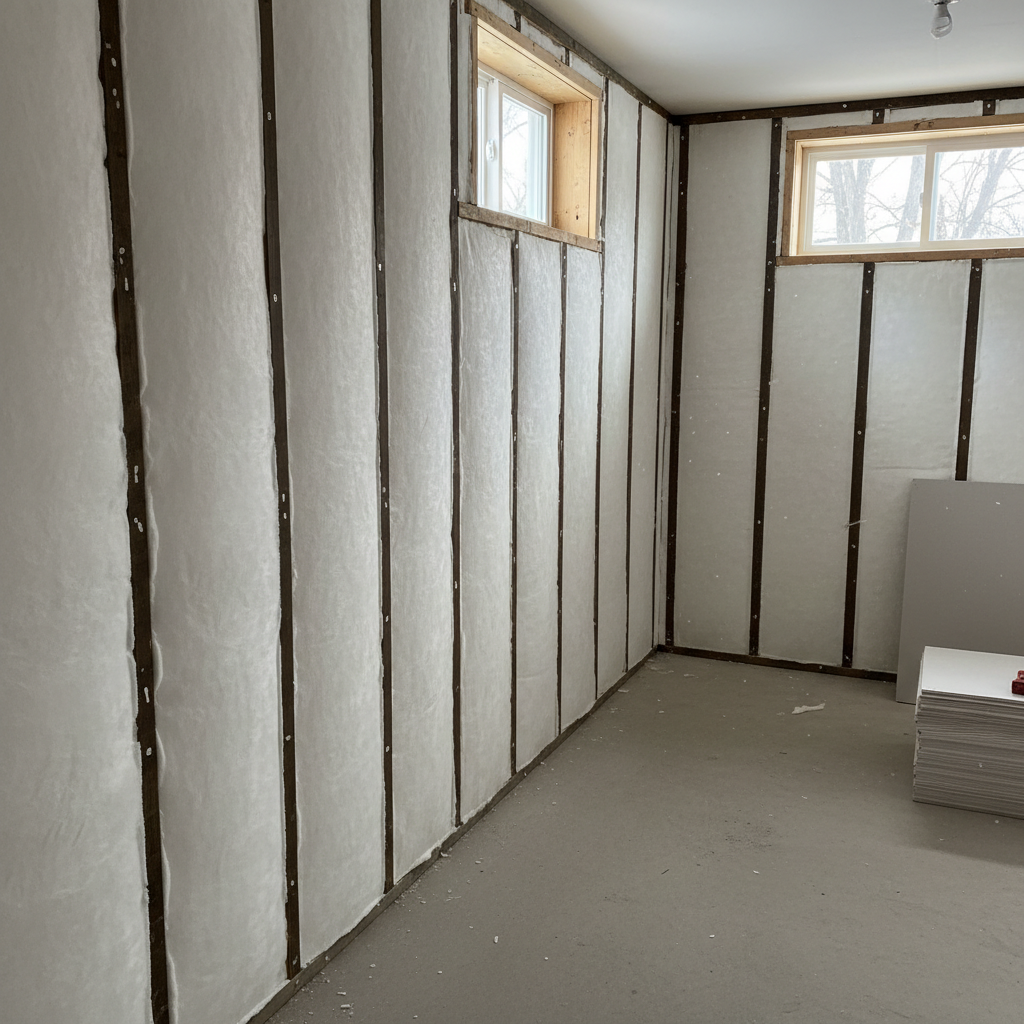
There are a few ways to insulate a basement, and each has its pros and cons. Some folks just assume batt insulation is the cheapest, so they go for it. But think about it: fiberglass or mineral wool batts can absorb moisture. If your basement has even a little dampness, those batts are going to get wet, lose their R-value, and potentially grow mold. That's why I often recommend closed-cell spray foam or rigid foam boards for basements. They act as a vapor barrier and an insulator, which is a huge advantage below ground. Don't just pick the cheapest option without understanding how it performs in a basement environment.
Mistake #3: Skimping on the Prep Work
Insulation isn't just about sticking stuff to a wall. There's prep work involved. For rigid foam, you need a clean, flat surface. For spray foam, the area needs to be cleared out, and anything you don't want coated needs to be protected. I've seen homeowners try to save a buck by doing the prep themselves, only to find out they missed crucial steps or didn't do a thorough enough job. This can lead to poor adhesion, gaps, or even damage to other parts of your basement. A professional crew, like us at Guardian Insulation, knows exactly what needs to happen to make sure you get a clean, effective installation.
Mistake #4: Forgetting About Air Sealing
Insulation and air sealing go hand-in-hand, especially in a basement. You can have the highest R-value insulation, but if cold air is still seeping in through cracks around rim joists, sill plates, or utility penetrations, you're losing a lot of that benefit. These are often overlooked areas. We're talking about tiny gaps that add up to a big draft. Make sure your contractor includes air sealing as part of the insulation plan, not just an afterthought. It makes a huge difference in comfort and energy bills, believe me.
Mistake #5: Hiring the Cheapest Bid Without Due Diligence
Look, I get it. Everyone wants to save money. But when it comes to something as important as your home's foundation and energy efficiency, the cheapest bid isn't always the best. Sometimes it means they're cutting corners on materials, skipping crucial steps, or they're just not experienced with basement-specific challenges. Always ask for references, check their reviews, and make sure they're licensed and insured. Ask detailed questions about their process, the materials they use, and how they handle moisture. A good contractor will be transparent and happy to explain everything.
You want your basement to be a comfortable, dry, and energy-efficient space, not a source of headaches. By avoiding these common mistakes, you'll be well on your way to a successful project that you won't regret.